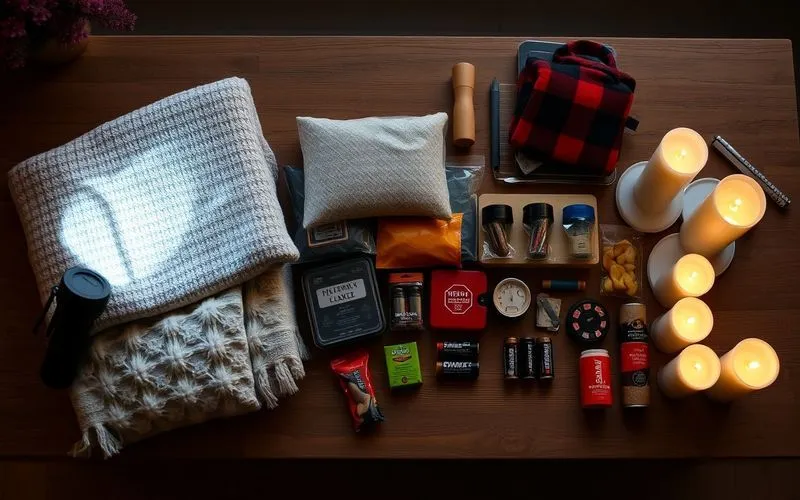
Winter Emergency Kit: What Every European Household Needs
European winters can be beautiful, but they can also be deadly. In recent years, extreme weather events have become more frequent and more severe across the continent. Storm Boris in September 2024 devastated Central Europe with record flooding. The January 2025 cold snap brought temperatures below -30C to parts of Scandinavia and -15C as far south as northern Italy. Power outages lasting several days affected hundreds of thousands of households in France and Poland during the same period.
The EU Civil Protection Mechanism and national emergency management agencies across Europe consistently recommend that every household maintain a winter emergency kit capable of sustaining the family for at least 72 hours without external assistance. Despite this guidance, surveys suggest that fewer than 20% of European households are adequately prepared for a winter emergency.
This guide provides a comprehensive, itemized approach to building a winter emergency kit tailored to European conditions, with specific considerations for different climate zones across the continent.
The Essential Home Kit: Core Items
These items form the foundation of any winter emergency kit, regardless of where in Europe you live. Every household should have them readily accessible, stored together in a clearly marked location that all family members know about.
Water
Water is the most critical supply. Store a minimum of 2 litres per person per day for at least 3 days, which means 6 litres per person. A family of four needs 24 litres at minimum. Use commercially sealed bottled water and check expiration dates every 6 months. If you use tap water stored in your own containers, treat it with water purification tablets (available at camping stores for approximately EUR 5-8) and replace it every 6 months.
In addition, keep a portable water filter (such as a Sawyer Mini or LifeStraw, priced around EUR 20-35) in your kit. If pipes freeze or municipal water supply is disrupted, you may need to filter water from alternative sources such as collected snow or rainwater.
Food
Stock non-perishable food that requires no refrigeration and minimal preparation. The German Federal Office of Civil Protection (BBK), which has published one of the most comprehensive emergency preparedness guides in Europe, recommends the following per person for 3 days:
- Canned meals (stews, soups, pasta): 6-8 cans
- Crackers, crispbread, or long-life bread: 500g
- Canned or dried fruit: 3 portions
- Nuts, trail mix, energy bars: 300g
- Powdered milk or UHT long-life milk: 1 litre
- Spreads (peanut butter, Nutella, honey): 1 jar
- Tea, instant coffee, hot chocolate sachets
- Salt, sugar, and basic spices
- Baby food and formula if applicable
- Pet food if applicable
Keep a manual can opener with your food supplies. An electric can opener is useless during a power outage. Also include disposable plates, cups, and utensils so you are not dependent on washing facilities.
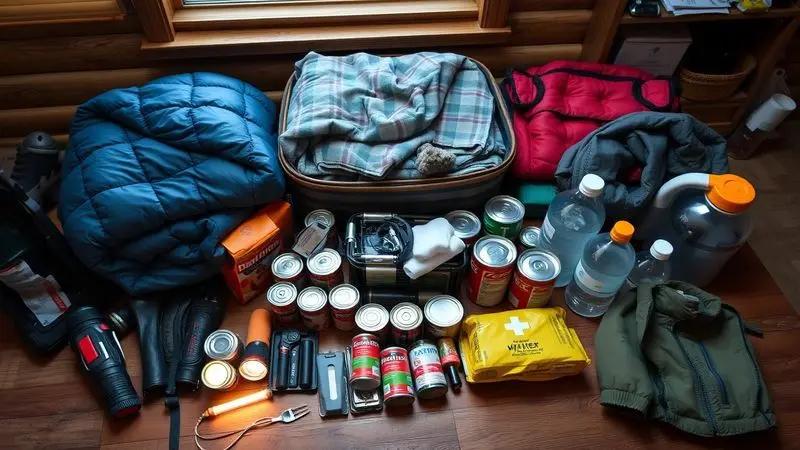
Lighting and Power
- Flashlights: At least 2 LED flashlights with extra batteries. LED models last much longer than traditional bulbs. Head-mounted versions are extremely practical as they leave hands free.
- Candles: 20-30 standard candles or 5-10 long-burning emergency candles (some designed to burn for 50+ hours). Store matches and lighters separately from the candles.
- Battery-powered or hand-crank radio: This is your lifeline for official emergency information when internet and mobile networks fail. The EU recommends one that receives FM and DAB+ frequencies. Many models (EUR 20-40) combine a radio with a flashlight and USB charging port.
- Power bank: A fully charged 20,000 mAh power bank can charge a smartphone 4-5 times. Keep it charged and check it monthly. Consider a solar-powered model for extended outages.
- Batteries: Stock AA and AAA batteries in quantities matching your devices. Check expiration dates yearly.
Warmth and Shelter
- Sleeping bags: One per person rated to at least -5C. Even if you have central heating, a power outage in winter means your home can drop to dangerous temperatures within hours, particularly in poorly insulated buildings.
- Wool blankets: Wool retains warmth even when damp, unlike synthetic materials. Keep 2-3 extra wool blankets in your kit.
- Emergency thermal blankets: These lightweight mylar blankets (often called "space blankets") reflect up to 90% of body heat. They cost under EUR 2 each and take up almost no space. Keep 4-6 in your kit.
- Hand and toe warmers: Disposable chemical warmers provide 6-10 hours of heat each. Store 10-20 pairs.
- Extra warm clothing: Keep a set of thermal underwear, wool socks, warm hats, and insulated gloves accessible as part of your kit, separate from your regular wardrobe.
Power Outage Preparedness
Extended power outages are the most common winter emergency across Europe. When the electricity goes out, you lose heating (if electric or gas with electronic ignition), lighting, refrigeration, cooking (if electric), water pressure (if your building uses an electric pump), and communications (once phone batteries die and cell towers lose backup power after 4-8 hours).
During the December 2024 ice storms in France, some rural areas were without power for 5 days. Indoor temperatures dropped below 5C in many homes. The French Red Cross reported treating over 1,500 people for mild to moderate hypothermia, the vast majority of whom could have been protected with basic preparation.
Cooking without power: A camping gas stove (EUR 15-30) with 2-3 gas cartridges allows you to heat food and boil water. Never use charcoal grills, generators, or camp stoves indoors, as carbon monoxide is odorless and lethal. If you must use a gas camping stove indoors in an emergency, ensure strong ventilation by opening windows, and invest in a battery-operated carbon monoxide detector (EUR 15-25) for your kit.
Keeping warm without heating: Concentrate your family in one room, preferably the smallest interior room. Close doors to unused rooms to reduce the space you need to heat with body warmth. Hang blankets over windows for insulation. If you have a fireplace or wood-burning stove, ensure your chimney has been inspected and you have a stock of dry firewood or briquettes.
Protecting pipes: When temperatures inside your home approach freezing, turn off your water supply at the main stopcock and drain the pipes by opening all taps. Burst pipes from freezing can cause thousands of euros in water damage and leave you without water supply even after power is restored.
First Aid Kit: Winter-Specific Additions
A standard first aid kit (available for EUR 15-30 at any pharmacy) should be part of every emergency kit. For winter emergencies, supplement it with these additional items:
- Hypothermia treatment supplies: Instant heat packs, thermal blankets, and instructions on recognizing and treating hypothermia (shivering that stops is a danger sign, not an improvement)
- Frostbite treatment: Sterile gauze for wrapping affected areas, instructions never to rub frostbitten skin, and awareness that frostbitten skin should be rewarmed gradually in lukewarm (not hot) water
- Cold and flu medication: Paracetamol, ibuprofen, decongestants, throat lozenges, and any prescription medications your family needs (keep a 7-day supply in the kit)
- Lip balm and moisturizing cream: Cracked, dried skin is vulnerable to infection in cold conditions
- Vaseline: Applied to exposed skin, it provides a barrier against windchill and extreme cold
- Eye drops: Cold, dry air and wind cause eye irritation
- Prescription medications: Maintain a rolling 7-day supply of all essential prescriptions in your kit. Rotate them monthly so they do not expire.
The Car Winter Kit
Many Europeans spend significant time driving in winter, and getting stranded in a vehicle during a winter storm is a genuine risk. Several EU countries require specific winter equipment by law, and having a comprehensive car kit can be lifesaving even where it is not legally mandated.
Legally required items vary by country:
- Winter tires: Mandatory in Austria (1 Nov-15 Apr), Germany (situational requirement year-round), Finland (1 Nov-31 Mar), Sweden (1 Dec-31 Mar), Estonia, Latvia, Lithuania, Czech Republic, and Slovenia
- Snow chains: Required to be carried in Austria and must be fitted when signposted. Mandatory in some mountainous regions of France, Italy, and Spain
- Warning triangle: Mandatory in all EU countries
- Reflective vest: Required in most EU countries (number of vests varies: Austria requires one per occupant)
- First aid kit: Mandatory in Austria, Germany, Czech Republic, Slovakia, Hungary, and several other countries
Recommended car winter kit beyond legal requirements:
- Ice scraper and de-icer spray
- Folding shovel (for digging out of snowdrifts)
- Traction mats or cat litter (for grip on ice)
- Jump-start cables or a portable jump-starter battery
- Tow rope (minimum 3-tonne rated)
- Blankets and warm clothing (separate from what you are wearing)
- Non-perishable snacks and water
- Flashlight with extra batteries
- Phone charging cable and car charger
- Small bag of road salt or sand
If you become stranded, stay with your vehicle. It provides shelter from wind and makes you easier to find. Run the engine periodically for heat (10 minutes per hour), but ensure the exhaust pipe is not blocked by snow, as this can cause fatal carbon monoxide buildup inside the vehicle. Crack a window slightly for ventilation when the engine is running.
Heating Alternatives: Safe Options
If your primary heating fails during a winter emergency, these are the safe alternatives available to European households:
Wood-burning stoves and fireplaces: If you have one, ensure the chimney is swept annually (this is a legal requirement in many European countries, including Germany, Austria, and Denmark). Stock at least 3 days' worth of dry, seasoned firewood. Green or wet wood produces excessive smoke and creosote, increasing the risk of chimney fires. Keep a fire extinguisher and fireproof hearth mat nearby.
Portable gas heaters: Indoor-rated portable gas heaters are available in Europe (EUR 50-150), using butane or propane cartridges. Only use models specifically rated for indoor use, which include oxygen depletion sensors that automatically shut off the heater if oxygen levels drop. Always ventilate the room. Never use outdoor patio heaters indoors.
Candle heaters: A terra cotta pot placed over a group of tea-light candles can raise the temperature of a small room by several degrees. While this will not make a room warm, it can make the difference between dangerous cold and tolerable discomfort. However, never leave candles unattended and keep them away from flammable materials.
What to NEVER use indoors: Charcoal or gas grills, generators, propane camping heaters not rated for indoor use, or any combustion device without proper ventilation. Carbon monoxide poisoning kills dozens of Europeans every winter, almost always from the improper indoor use of heating or cooking devices designed for outdoor use.
Country-Specific Considerations
Nordic Countries (Finland, Sweden, Norway, Denmark)
Nordic residents are generally better prepared for winter emergencies than their southern European counterparts, but the extreme conditions require more extensive preparation. Finland's National Emergency Supply Agency recommends a 72-hour kit as a minimum but encourages a 7-day capability. Key additional items for Nordic conditions include ski goggles or snow goggles for blizzard visibility, snowshoes for mobility when roads are impassable, a snow knife or saw for building emergency snow shelters, and extra-rated sleeping bags (-20C or lower). The extreme darkness of Nordic winters (as little as 4 hours of daylight in December in Helsinki) makes reliable lighting especially critical.
Central Europe (Germany, Austria, Switzerland, Czech Republic, Poland)
Central European winters regularly bring heavy snow, ice storms, and sustained sub-zero temperatures. The German BBK's emergency preparedness guide is one of the most detailed in Europe and serves as a model for many neighbouring countries. Central European households should pay particular attention to pipe insulation, as older buildings common in the region are vulnerable to burst pipes. Many buildings in this region use district heating systems; if the central plant fails, the entire neighbourhood loses heat simultaneously.
Mediterranean (Spain, Italy, Greece, Portugal, Southern France)
Mediterranean households are paradoxically among the most vulnerable to winter emergencies because they are the least prepared. Buildings in southern Europe are typically designed for summer heat, with thin walls, minimal insulation, and heating systems that are less robust than northern European standards. When unusual cold weather hits, as happened across the Mediterranean in January 2025, the consequences can be severe. Mediterranean households should focus on blankets and warm clothing (which may not be readily available in warmer climates), portable heating options, and pipe protection, since uninsulated pipes in Mediterranean buildings are extremely vulnerable to freezing during unusual cold snaps.
Important Documents and Communication
Include copies of important documents in your emergency kit, stored in a waterproof bag:
- Passports and national ID cards (photocopies)
- Insurance policies (home, health, car)
- Medical records and prescription lists
- Emergency contact numbers (written, not just in your phone)
- Bank account details
- Your local emergency number (112 works across the entire EU)
- Address and phone number of your nearest emergency shelter
Establish a family communication plan before an emergency occurs. Designate an out-of-area contact that family members can check in with if local communications are disrupted. Agree on a meeting point if family members are separated when an emergency occurs.
Maintenance: Keeping Your Kit Ready
An emergency kit is only useful if it is maintained. Set a calendar reminder to check your kit twice a year, ideally in October (before winter) and April (after winter). During each check:
- Replace expired food and water
- Test flashlights and replace batteries
- Charge power banks fully
- Check medication expiration dates and rotate prescriptions
- Update copies of important documents
- Adjust clothing sizes for growing children
- Replenish any items that were used
Preparation is not about fear; it is about resilience. A well-stocked winter emergency kit, assembled once and maintained regularly, provides peace of mind and genuine protection for your family. The investment is modest, typically EUR 100-200 for a complete household kit, but the security it provides is invaluable. Do not wait for the next winter storm to remind you why preparation matters.
Stay Informed
Get the latest safety insights delivered to your inbox.