Home Safety Guide
A comprehensive guide to protecting your European home from fires, break-ins, carbon monoxide, electrical hazards, and more. Practical, EU-compliant advice for every household.
Fire Prevention
House fires cause over 4,000 deaths across the EU each year and are the single largest cause of accidental death in the home. The vast majority of these fatalities are preventable with proper detection, planning, and awareness. EU member states have adopted varying requirements for smoke detectors, but the underlying safety principles remain universal.
Smoke Detectors
Under EU standard EN 14604, all smoke detectors sold in Europe must meet strict performance and reliability criteria. Most EU countries now require smoke detectors on every floor of residential properties, with specific mandates varying by nation. Germany, for example, requires detectors in bedrooms, children's rooms, and hallways, while France mandates at least one detector per dwelling.
- check_circle Install photoelectric smoke alarms on every level, including the basement and attic
- check_circle Place detectors on ceilings, at least 50 cm from walls and light fixtures
- check_circle Test alarms monthly using the built-in test button
- check_circle Replace batteries annually, or choose 10-year sealed lithium battery models
- check_circle Replace the entire detector unit every 10 years regardless of condition
Fire Escape Plans
Every household should have a documented fire escape plan with at least two exit routes from each room. Practice the plan with all family members at least twice per year. Designate a meeting point outside the home, ideally at a fixed landmark such as a specific tree, letterbox, or street lamp that is a safe distance away.
Ensure all windows can be opened easily and that security bars (where fitted) have quick-release mechanisms. Keep hallways, staircases, and exits clear of obstructions at all times. For multi-storey homes, consider fire escape ladders for upper floors that comply with EN 131.
Quick Tip
Never leave cooking unattended. Cooking is the leading cause of house fires in Europe, responsible for over 50% of all residential fire incidents. Keep a fire blanket (EN 1869 compliant) within reach of your kitchen.
Key Statistics
- 4,000+ fire deaths in the EU annually
- 80% of fire deaths occur in the home
- 50% of fires start in the kitchen
- 3 minutes — time to escape once a smoke alarm sounds
Carbon Monoxide Safety
Carbon monoxide (CO) is an invisible, odourless gas that kills more than 200 Europeans every year and hospitalizes thousands more. Known as the "silent killer," CO is produced by incomplete combustion of fossil fuels in boilers, gas cookers, wood-burning stoves, and car engines.
Detector Placement
CO detectors conforming to EN 50291 should be installed in every room containing a fuel-burning appliance, as well as in bedrooms. Mount detectors at head height on a wall or on the ceiling, at least one metre away from the appliance being monitored. Unlike smoke, CO mixes evenly with air, so ceiling or wall placement both work effectively.
- check_circle Install a detector in every room with a gas boiler, fireplace, or wood-burning stove
- check_circle Place a detector in bedrooms where occupants sleep near fuel-burning appliances
- check_circle Do not install CO detectors in bathrooms, kitchens (near cookers), or garages — these cause false alarms
- check_circle Replace CO detectors every 5-7 years, according to the manufacturer's guidelines
Recognising CO Poisoning Symptoms
CO poisoning symptoms are easily mistaken for flu, food poisoning, or general fatigue. Early recognition can save lives. Be alert for these warning signs, especially if multiple household members experience them simultaneously:
If Your CO Alarm Sounds
Stop using all fuel-burning appliances immediately. Open windows and doors to ventilate. Evacuate the property and call emergency services (112 across the EU). Do not re-enter until a qualified engineer has inspected all appliances and declared the property safe.
Burglary Prevention
Over 1.5 million burglaries are reported across the EU annually. Most burglars are opportunists who target homes that appear unoccupied or poorly secured. Simple, cost-effective measures can dramatically reduce your risk.
Door & Lock Security
The front door is the primary entry point for over 70% of burglaries. Invest in a solid-core or composite door with a multi-point locking system. All external doors should have locks rated to at least EN 12209 Grade 3, with deadbolts extending at least 20mm into the frame. Reinforce door frames with steel strike plates and use hinge bolts on outward-opening doors.
Window Security
Ground-floor windows are the second most common entry point. Fit key-operated locks on all windows and ensure that keys are stored nearby (but out of sight from outside) for fire escape purposes. Consider laminated glass for ground-floor and accessible windows — it holds together when shattered, making entry significantly more difficult than standard float glass.
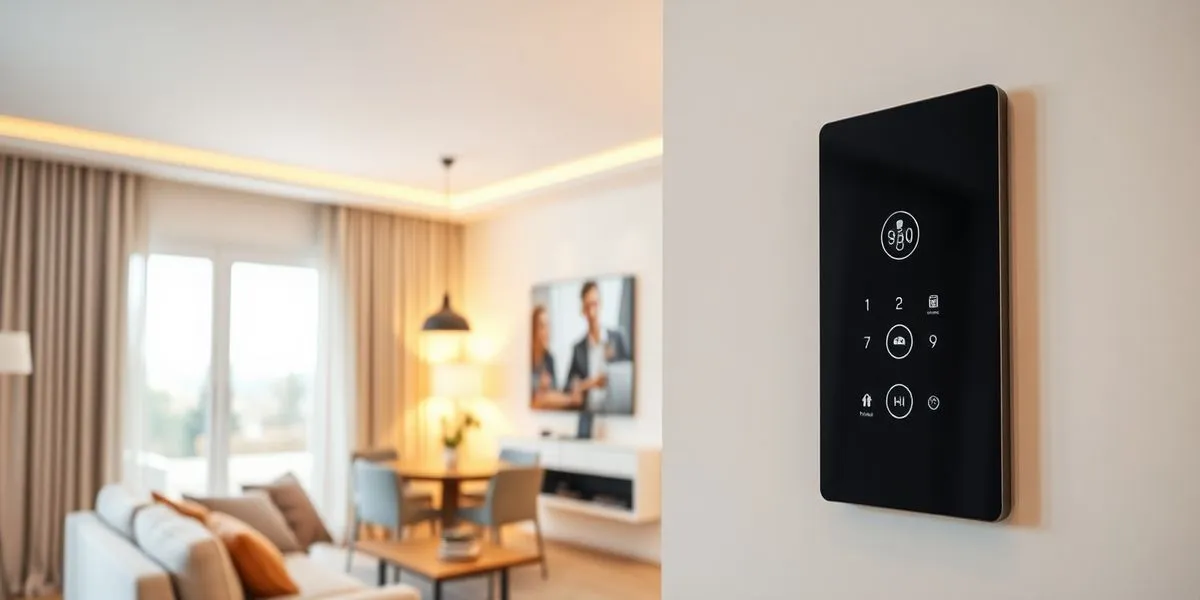
Smart Security Systems
Modern smart home security combines cameras, motion sensors, smart locks, and alarm systems into an integrated setup that can be monitored remotely via smartphone. When choosing a system, look for products with the EN 50131 certification for intrusion alarm systems. Key features to consider include:
- check_circle HD cameras with night vision and weatherproof IP65+ rating
- check_circle Motion-activated outdoor lighting (a proven deterrent)
- check_circle Video doorbells with two-way communication
- check_circle Smart locks with audit trails and temporary access codes
- check_circle Battery or cellular backup for uninterrupted monitoring during power outages
Neighbourhood Watch
Community-based crime prevention schemes are active in most EU countries. Studies show that areas with active neighbourhood watch programmes experience up to 26% fewer burglaries. Contact your local police station or municipality to find or start a programme near you.
Electrical Safety
Electrical faults are the second leading cause of house fires in Europe. The EU's Low Voltage Directive (2014/35/EU) sets harmonised safety standards, but national wiring regulations and plug types vary across member states. Understanding your home's electrical system is essential for prevention.
EU Plug Standards
Europe uses several plug and socket types. The most common is the Type C (Europlug) for low-power devices, while Type E (France, Belgium), Type F (Germany, Netherlands), and Type G (Ireland) are used for higher-power appliances. Never use travel adapters as permanent solutions, and ensure all appliances carry the CE marking.
Overload Prevention
Overloaded sockets and extension leads are a major fire risk. Never daisy-chain extension leads. Do not exceed the rated amperage of any extension cord (typically 13A or 3,250W for most EU extension leads). High-draw appliances such as heaters, washing machines, and tumble dryers should always be plugged directly into wall sockets.
- check_circle Have your home's electrical installation inspected every 10 years (5 years for rental properties in many EU states)
- check_circle Install residual current devices (RCDs) on all circuits — they cut power in 30 milliseconds if a fault is detected
- check_circle Replace any frayed, damaged, or discoloured cables immediately
- check_circle Never run cables under carpets or rugs where damage goes unnoticed
Practical Tip
Use a socket calculator to check the total wattage of devices plugged into each extension lead. Add up the wattage of every device and ensure it does not exceed the maximum rating of the lead. Most four-gang extensions in Europe are rated at 3,500W maximum.
Warning Signs
- close Flickering lights
- close Buzzing from outlets or switches
- close Burning smell near sockets
- close Warm or discoloured switch plates
- close Frequently tripping circuit breakers
Water & Gas Safety
Water Safety at Home
Water damage is the most common home insurance claim in Europe. Burst pipes, leaking appliances, and faulty plumbing cause billions of euros in damage annually. Preventive measures include insulating exposed pipes in cold weather, knowing the location of your main stopcock, and installing water leak detectors near washing machines, dishwashers, and water heaters.
For households with young children, set your water heater thermostat to no higher than 48 degrees Celsius to prevent scalding. In the EU, thermostatic mixing valves conforming to EN 1111 are recommended for bath taps and showers in homes with children or elderly residents.
Gas Safety
If you smell gas (a sulphur-like odour added to natural gas for detection), follow these immediate steps: do not operate any electrical switches, open all windows, turn off the gas supply at the meter, leave the property, and call the national gas emergency number from outside. In many EU countries, gas appliances must be inspected annually by a registered engineer.
Gas Safety Checklist
- check_circle Annual gas boiler service by a certified engineer
- check_circle Know where your gas shut-off valve is located
- check_circle Keep gas appliance ventilation grilles clear at all times
- check_circle Check flame colour — healthy gas burns blue, yellow flames indicate a problem
Stay Informed, Stay Safe
Home safety is an ongoing effort, not a one-time task. Explore our other safety guides to protect every aspect of your life.